All Categories
Featured
Table of Contents
Client experience will not enhance merely since of a brand-new interface if confusion still exists in the back office. When change starts without a clear structure, focus is rapidly lost: lots of parallel efforts emerge, none of which reach completion.
To prevent this, a structured technique is essential. A digital change structure is a system of collaborates that makes it possible for managing modification rather than merely reacting to problems. This structure ought to not be a universal design template that works similarly well for a caf, an agricultural holding, and an international bank. It is a set of control points that adapt to context while keeping the company on course.
You need a sincere review: where time is being lost, where choices are stalling, which processes depend on a specific individual. After that, you need to set particular, measurable goals. decrease the time to market for a new product from 4 months to 6 weeks; incorporate 80% of customer questions into a single CRM; reduce the proportion of manual order processing from 40% to 5%.
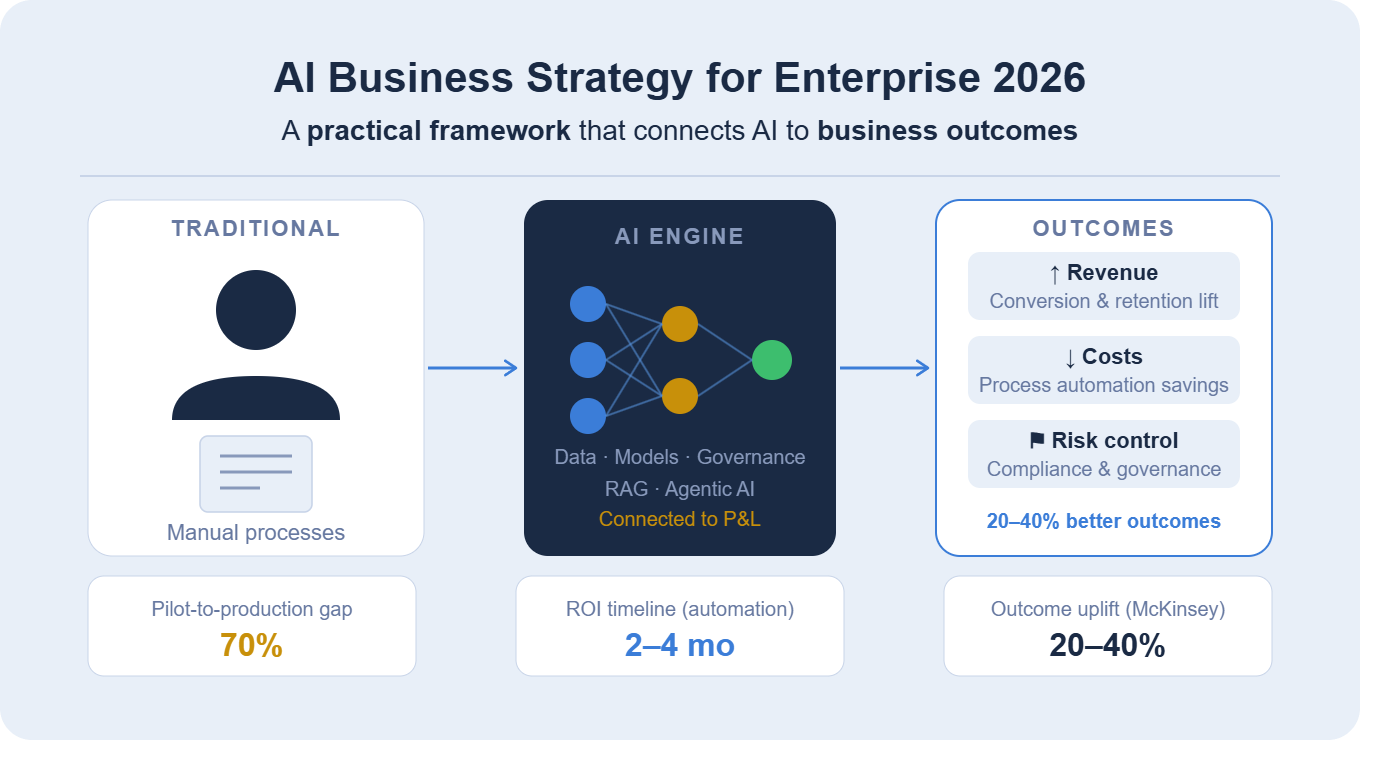
Which initiatives are critical, which can be delayed. Where the best effect lies, and where the greatest threats are. It is crucial not to plan whatever simultaneously. It is much better to choose 2 or three focus areas and finish them fully than to spread out efforts throughout 10 directions and finish none.
When individuals understand what follows, it is easier for them to support modification. One of the most typical errors is starting transformation with the choice of a platform. A strong structure operates in reverse: very first come the objectives and procedures, and only then the tools. Innovation ought to be an extension of company logic, not a separate world that only IT specialists occupy.
Maximizing Corporate R&D Output for Cloud Hubs
As an outcome, in practice these structures either do not work at all or lead in a totally various instructions than meant. A strong change structure need to be flexible sufficient to adapt to reality, yet rigid enough to prevent efforts from spreading out uncontrollably. A good structure helps preserve focus, track development, and appropriate course when something goes wrong.
A business might have an excellent technique, management support, and a well-designed presentation. As soon as implementation starts, due dates slip, decision-makers avoid duty, and teams burn out. What emerges is not transformation, however an endless reorganization that everybody silently frowns at.
It includes 3 phases that can be adjusted to your market, structure, and ambitions. This stage has to do with preparing the ground before building starts. No one sees it, however skipping it triggers everything else to collapse. At this stage, there are no new user interfaces, no flashy "before/after" slides, and no grand launches.
Building High-Performance Research Centers in 2026
There is absolutely nothing worse than moving quickly without comprehending where you are going. Key goals of this phase: Not generic statements, but quantifiable expectations: exactly what need to change, which metrics will be impacted, and which choices will end up being faster, cheaper, or greater quality. : reduce time-to-market for new items from six months to 2; reduce churn amongst SME clients by 15%; automate 60% of internal demands.
The transformation owner should have genuine decision-making authority. IT must comprehend service objectives, and business should understand technical restraints.
This stage may feel sluggish or ineffective, however in reality it is a financial investment in the speed of subsequent phases. This is the stage where digital transformation moves from concept to action or to mayhem, if top priorities are set incorrectly. This is when the very first noticeable modifications appear: systems go live, processes shift, and brand-new guidelines work.
How to Scale Enterprise Innovation in Future?
The key error at this phase is trying to do whatever at as soon as: carry out ERP and CRM, automate logistics, revamp the site, and re-train everybody at the same time. Instead of a digital development, the result is organizational paralysis. What to do instead: Select one or two top priority areas, bring them to quantifiable outcomes, evaluate outcomes, lock in modifications, and only then scale.
It must end up being part of everyday work for everybody. Clear internal interaction, training, and support are necessary. If the team does not comprehend why changes are taking place, peaceful resistance will follow. Successful application is about handling progressive changes in everyday practices. If every month the team works somewhat differently, somewhat quicker, and slightly more transparently, you are on the ideal course.
Once initial results appear, there is a strong temptation to stop. And this is the moment that figures out the company's future. Improvement is a brand-new operating design, and it just genuinely works when it stops being perceived as something separate or temporary. What matters at this stage: Not in general regards to "worked or didn't work," however alter by modification: effect on speed, expenses, mistakes, sales, and consumer fulfillment.
If new rules are not working, they need to be altered. If changes worked in one system, they can be scaled.
Accelerating Digital Innovation Cycles for Agility
This is the moment when digital modification stops being a task and becomes part of everyday operations. This is where true tactical benefit begins. Companies typically approach us after they have actually already started change but got stuck along the method. On the surface area, whatever looks like development, however internally there is constant tension and no concrete outcomes.
What to do: start with a concrete company medical diagnosis. Clearly define what must alter and how it will be measured.
Decoding Enterprise Innovation Cycles
A CRM is purchased, analytics are set up, a chatbot is released which's it. The team continues to work as before, with no modifications in culture, procedures, or management. In this case, new tools end up being pricey decorations. What to do: even the very best system is worthless if the group does not understand how to use it daily.
Why Agile Innovation Units Drive Digital Growth
Teams working on transformation between other tasks seldom reach outcomes. Obligation is theoretically shared by everyone, but in practice comes from no one. This causes endless conversations, delayed decisions, and interdepartmental conflicts. What to do: allocate a devoted group, resources, and time. This is a top-priority effort, not an optional add-on.
Decoding Enterprise Innovation CyclesA business can change processes, however if people do not rely on the system, withstand change, or continue working out of routine, failure is practically ensured. What to do: include key people early. Explain the reasoning behind modifications, guarantee transparent interaction, and create an environment where it is safe to make mistakes, experiment, and adjust.

Latest Posts
Predicting Your Enterprise Tech Ecosystem of 2026
Technical Insights for Modernizing Cloud Infrastructure
Sustaining Critical Digital Workflows